High-level legal analysis at the intersection of European intellectual property law and software architecture.
Welcome to the iptech.legal knowledge base. Here, we translate complex EU directives, emerging digital compliance frameworks, and landmark Court of Justice (CJEU) rulings into actionable strategic blueprints for tech founders, software engineers, and venture capital investors.
Recent Briefings
1.Protecting your source code in the EU when working with remote developers
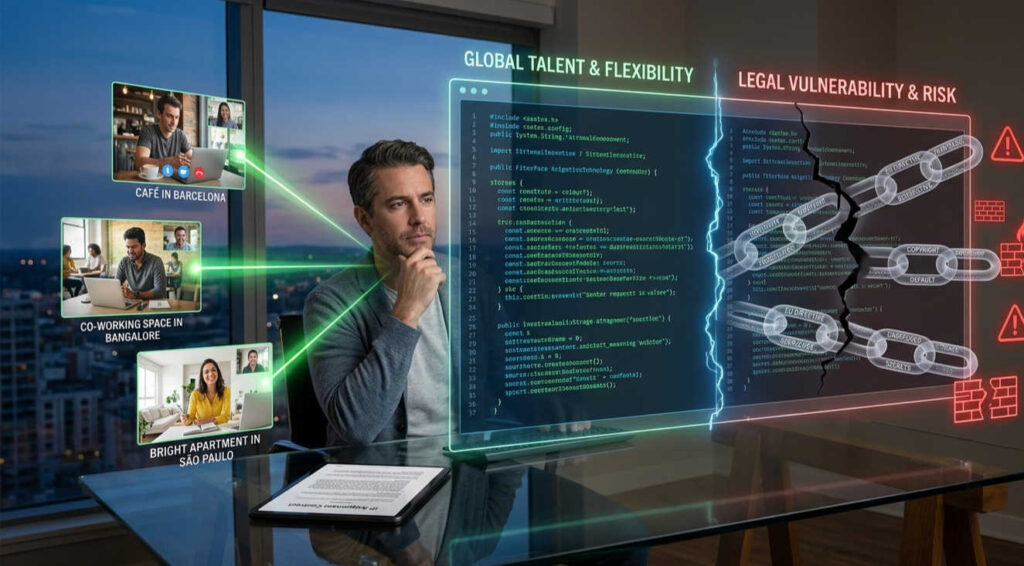
When your company approaches a funding round or an acquisition, institutional investors will scrutinize your chain of title. Every single line of code written by a remote developer must be traceably linked back to your company through a signed IP assignment agreement. Resolving ownership disputes retroactively with a disgruntled remote contractor is highly expensive and can derail an investment entirely. Securing your code legally from day one is not an administrative chore—it is the baseline of your company’s valuation.
Key Takeaways: In the European Union, source code copyright does not automatically vest in the company when working with independent contractors (B2B/freelancers); securing your business valuation strictly requires express IP assignment agreements, robust confidentiality clauses under the Trade Secrets Directive, and technical measures to isolate code access.
2.SaaS Compliance & The EU AI Act: Navigating Proprietary Training Models:Corporate & AI Law.

As the European Union strictly enforces its comprehensive AI regulatory framework, software vendors must re-evaluate how machine learning algorithms are trained and licensed. This briefing breaks down the legal obligations under the AI Act regarding Text and Data Mining (TDM) exemptions, model transparency, and the potential copyright liabilities of using third-party training data inside the European Single Market.
Key Takeaways: Risk classification criteria for GPAI (General Purpose AI) models, developer disclosure mandates, and securing your core algorithms from data-poisoning claims.
3.The Contamination Risk: Managing Open Source Compliance in Commercial Software:IP Architecture & Audits.

Integrating Open Source Software (OSS) components speeds up deployment but introduces severe “copyleft” contamination risks. If an engineer inadvertently merges a restrictive license (such as GPL v3) into your proprietary SaaS codebase, you could legally be compelled to release your entire proprietary source code to the public.
Key Takeaways: Implementing strict automated OSS compliance pipelines, legally sound dual-licensing architectures, and satisfying tech due diligence in multi-million euro venture funding rounds.
4.Cross-Border Contractor Agreements: Retaining Full IP Rights Under EU Law:Digital Copyright & Contracts.
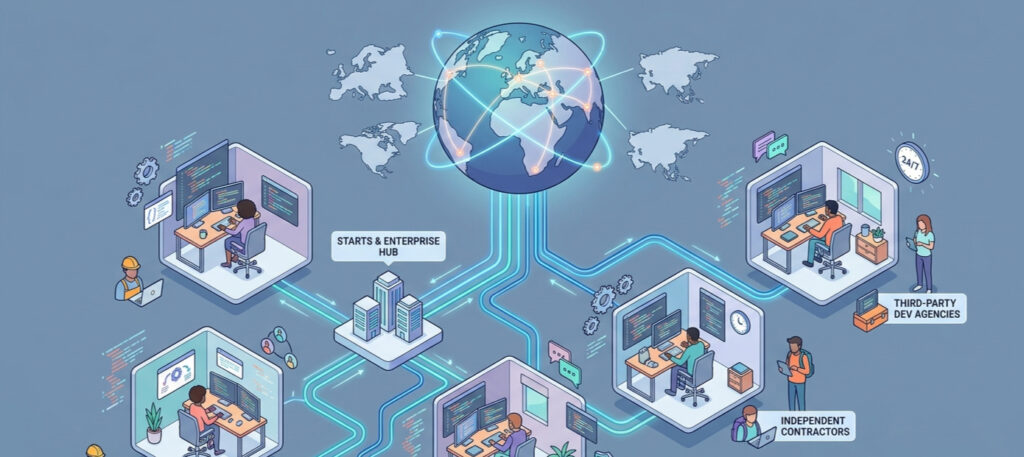
Under European Union copyright standards, paying a remote, independent developer or software agency to write code does not automatically transfer ownership to your enterprise. Without precise, explicit written assignment clauses covering present and future economic rights—alongside enforceable waivers regarding moral rights—the intellectual property stays with the individual creator.
Key Takeaways: Navigating Directive 2009/24/EC provisions, drafting bulletproof B2B IP assignment agreements, and establishing robust local software isolation policies.
5. Intellectual property strategy for a new winery. From vineyard to label
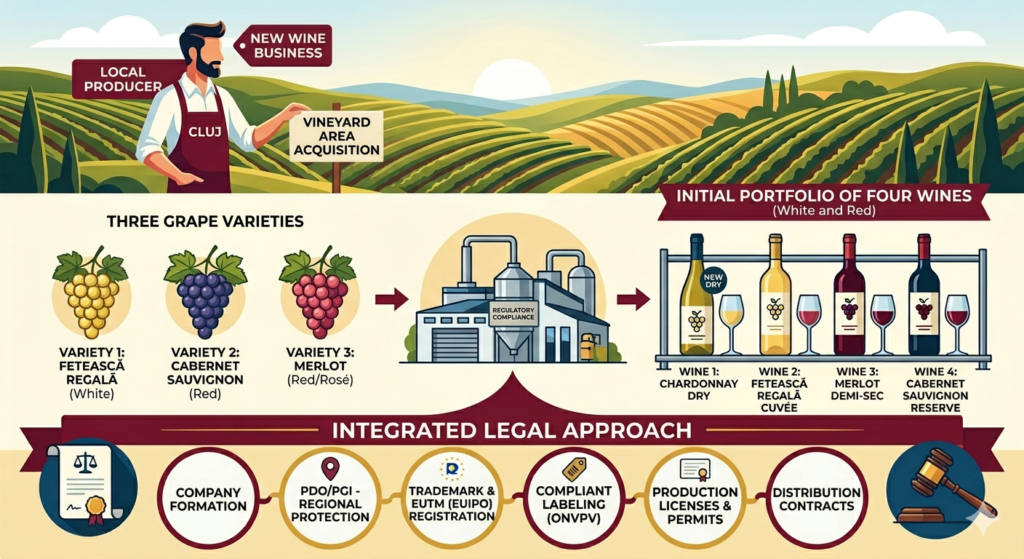
Launching a new venture in the viticultural sector represents a major, long-term capital investment governed by an exceptionally strict and fragmented regulatory framework. When a local producer purchases a vineyard, leveraging three distinct grape varieties to bring an initial portfolio of four separate wines (both white and red) to market, the legal approach must be comprehensive and integrated.
Industry Sector Coverage
| Legal Focus Area | Tech Application | Primary EU Regulatory Framework |
| Software Copyright | SaaS Architecture, API Interoperability, Git Repositories | Directive 2009/24/EC (Computer Programs) |
| Trade Secret Protection | Proprietary Algorithms, Database Structures, Roadmaps | Directive (EU) 2016/943 (Trade Secrets) |
| AI Governance | LLM Fine-Tuning, Generative AI Assets, Machine Learning | The EU AI Act / Digital Single Market Directive |
🔒 Confidential Advisory Notice
Public commentary on our legal briefings is strictly disabled to preserve executive privacy, prevent the inadvertent disclosure of corporate trade secrets, and maintain professional compliance. If your technical architecture requires a dedicated, privileged legal review, please initiate a private consultation.
Secure Your Code Base
Are you approaching a financing round, launching a new SaaS product in Europe, or auditing your software architecture for regulatory compliance? Let’s ensure your intellectual property assets are fully protected and your corporate valuation is legally bulletproof.